Checking Out the Manufacturing Process Behind Rubber Keypads and Their Significance in Modern Instruments
Rubber keypads are essential in the functionality of contemporary tools. Their manufacturing procedure entails mindful selection of materials and accurate methods. Keypads are made to boost customer interaction while making sure resilience and reliability. Comprehending just how these elements are made reveals their importance across various applications. What elements add to their efficiency, and exactly how do these components influence individual experience? The solutions might reshape perceptions of this daily technology.
Overview of Rubber Keypads and Their Applications

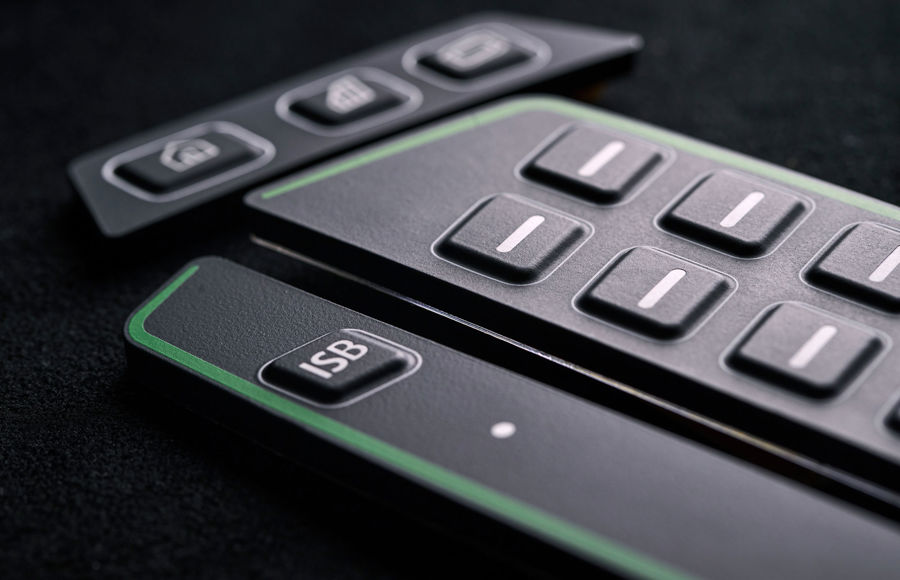
Rubber keypads are versatile parts commonly utilized in numerous digital gadgets, varying from consumer electronics to commercial tools. Their layout allows for a tactile action, making them an optimal selection for applications needing individual communication. Frequently discovered in products such as remote controls, calculators, and clinical devices, rubber keypads facilitate convenience of usage and access.
In commercial settings, they serve important functions in equipment and control board, where durability and resistance to ecological variables are important. The non-slip surface area improves grip, promoting dependability popular problems. Furthermore, their lightweight nature and personalized forms allow makers to develop customized solutions that fit particular requirements. With developments in modern technology, rubber keypads continue to advance, incorporating features like backlighting and improved level of sensitivity. Overall, their versatility and useful advantages add significantly to the effectiveness of numerous gadgets throughout numerous industries.
Products Used in Rubber Keypad Manufacturing
Keypad producing depends on a choice of products that improve both capability and longevity. The primary material made use of in the manufacturing of rubber keypads is silicone rubber, understood for its superb strength and flexibility. This product allows keypads to hold up against duplicated pressing without losing form or efficiency. Furthermore, thermoplastic elastomers (TPE) are usually used as a result of their ease of molding and capability to give a soft-touch feel.
Tinting representatives, such as pigments, are incorporated to ensure vibrant, durable hues that boost aesthetic charm. Furthermore, additives like anti-UV agents and fire retardants might be mixed into the rubber to improve weather condition resistance and safety compliance. The selection of products straight influences the keypad's tactile action, longevity, and overall efficiency in various gadgets. Ultimately, the cautious choice of these parts is vital for the manufacturing of high-quality rubber keypads that meet consumer and sector needs.
The Design Process of Rubber Keypads
When developing rubber keypads, the layout process plays a crucial role in determining functionality and individual experience. Developers start by defining the keypad's intended use, considering variables such as the gadget it will certainly go along with and the target customer demographic. This first stage includes mapping out formats that prioritize ergonomic elements, ensuring the tricks are quickly obtainable and properly spaced.
Next off, developers concentrate on the tactile responses desired from the keypads, which influences the option of materials and essential shapes. Prototyping is important in this phase, allowing designers to test various styles for convenience and responsiveness.
Manufacturing Techniques for Rubber Keypads
The production process for rubber keypads involves a series of accurate strategies that assure quality and performance. At first, liquid silicone rubber (LSR) is usually utilized due to its resilience and flexibility. The procedure begins with blending the raw products, including silicone, colorants, and treating representatives. This combination is after that infused into molds made to shape the keypads precisely.
Complying with injection, the molded keypads go through treating, a home heating procedure that solidifies the material (Rubber Keypads). This is normally done in a press, making sure the keypads accomplish the preferred solidity and strength
Top Quality Control Procedures in Manufacturing
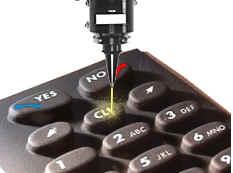
To guarantee that rubber keypads satisfy high requirements of top quality and functionality, strenuous quality assurance steps are applied throughout the production process. These procedures begin with resources inspection, ensuring that just the highest-grade elastomers are made use of. During the manufacturing stage, operators conduct regular checks to keep track of parameters such as temperature, pressure, and blending times, critical for accomplishing consistent item top quality.
Post-production, each set of keypads undergoes comprehensive screening, including tactile response analyses and resilience tests to evaluate performance under numerous problems. Aesthetic inspections are additionally conducted to determine any type of flaws, such as bubbles or incongruities in texture. In addition, compliance with sector criteria is validated, ensuring that the keypads satisfy security and capability benchmarks.
The Role of Modern Technology in Keypad Development
Modern technology plays a vital function in the development of rubber keypads by making it possible for innovative manufacturing strategies that improve accuracy and efficiency. Additionally, cutting-edge product choice enables enhanced longevity and responsiveness in keypad efficiency. These improvements not only enhance manufacturing but also raise the total quality of the end product.
Advanced Production Techniques
Developments in manufacturing techniques change the manufacturing of rubber keypads, boosting both performance and accuracy. Technologies such as injection molding and 3D printing have actually changed typical processes, allowing producers to create intricate styles with decreased waste and enhanced turn-around times. Automation plays an important role in this development, simplifying assembly lines and decreasing human mistake. In addition, computer-aided design (CAD) software application permits complex modification, guaranteeing that keypads satisfy certain customer requirements. Quality control procedures have also progressed, incorporating real-time monitoring systems that identify defects early in the manufacturing these details cycle. These developments not only improve the longevity and capability of rubber keypads yet also support the growing demand for personalized options in numerous industries, from consumer electronics to automotive applications.
Innovative Material Option
The evolution of producing strategies has actually led the way for ingenious material choice in rubber keypad growth. Advancements in polymer science have actually introduced materials that improve durability, versatility, and responsive responses. Suppliers now utilize thermoplastic elastomers (TPE) and silicone compounds, which provide superior resistance to use and environmental elements. These products permit the development of keypads that can endure prolonged use while keeping aesthetic appeal. Furthermore, the integration of ingredients and finishings enhances performance, such as improving grasp and decreasing friction. The selection of products is essential, as it straight influences the site web efficiency and long life of keypads in numerous devices, from consumer electronics to industrial tools. This ingenious approach remains to form the future of keypad style and functionality.
The Impact of Rubber Keypads on User Experience
Rubber keypads greatly influence individual experience through their boosted responsive action, which permits even more accurate communication. Furthermore, their resilience and durability add to consistent efficiency in time, decreasing the requirement for constant replacements. This combination of attributes makes rubber keypads a favored option in various applications, inevitably influencing customer complete satisfaction.
Enhanced Tactile Action
Enhancing responsive action considerably affects customer experience, especially in gadgets that depend on keypads for interaction. Rubber keypads give a distinct mix of softness and durability, permitting individuals to feel unique responses with each press. This responses enhances a sense of control and accuracy, important in applications varying from smart devices to industrial devices. Customers typically report higher complete satisfaction and efficiency when connecting with gadgets that feature well-designed rubber keypads, as they promote quicker and a lot more precise input. In addition, the ergonomic design of these keypads can minimize finger exhaustion, promoting longer use durations without pain. Generally, the improved tactile response supplied by rubber keypads considerably adds to a more instinctive and enjoyable user experience in contemporary technology.
Resilience and Longevity
A key facet of customer experience with rubber keypads lies in their durability and long life. These keypads are made to withstand substantial usage, withstanding damage that frequently affects other materials. The robust nature of rubber guarantees that keypads maintain their functionality and look gradually, which is vital for devices regularly utilized in various settings. Individuals gain from the integrity of rubber keypads, as they can withstand direct exposure to wetness, temperature level, and dust fluctuations without weakening. This resilience not only improves user fulfillment yet additionally minimizes the demand for frequent replacements, inevitably contributing to cost-effectiveness for suppliers. Essentially, the longevity of rubber keypads greatly affects the general performance and customer experience in contemporary gadgets.
Regularly Asked Questions
For How Long Do Rubber Keypads Commonly Last in Tools?
Rubber keypads generally last in between 5 to one decade, depending on use, ecological aspects, and high quality of materials used (Rubber Keypads). Normal damage can shorten their life expectancy, impacting performance and user experience in time
Can Rubber Keypads Be Custom-made for Specific Applications?
Rubber keypads can undoubtedly be customized for certain applications, permitting alterations in size, Recommended Reading shade, shape, and appearance. This adaptability enables suppliers to create customized solutions that satisfy varied individual needs and boost performance in different tools.
Are Rubber Keypads Ecologically Friendly?
Rubber keypads are frequently not thought about environmentally pleasant due to their petroleum-based materials. Innovations in sustainable production methods and the growth of bio-based options are slowly improving their eco-friendly effect in numerous applications.
What Prevail Issues Dealt With During Rubber Keypad Manufacturing?
Common problems dealt with throughout rubber keypad manufacturing consist of irregular worldly quality, mold flaws, incorrect healing times, attachment failings, and challenges in achieving exact responsive responses. These troubles can lead to reduced product efficiency and client dissatisfaction.
How Do Rubber Keypads Contrast to Various Other Kinds of Secret Switches Over?
Rubber keypads supply a softer feeling and quieter operation contrasted to mechanical switches, which offer responsive comments. Rubber keypads might wear out faster and do not have the accuracy that some users choose in high-performance applications.
The main material made use of in the manufacturing of rubber keypads is silicone rubber, understood for its exceptional resilience and flexibility. When creating rubber keypads, the layout procedure plays a crucial role in identifying functionality and user experience. Rubber keypads considerably affect user experience via their improved tactile reaction, which enables for even more accurate communication. Users usually report better complete satisfaction and effectiveness when connecting with gadgets that include well-designed rubber keypads, as they promote quicker and extra accurate input. A vital aspect of user experience with rubber keypads lies in their longevity and durability.